How to perform CPR
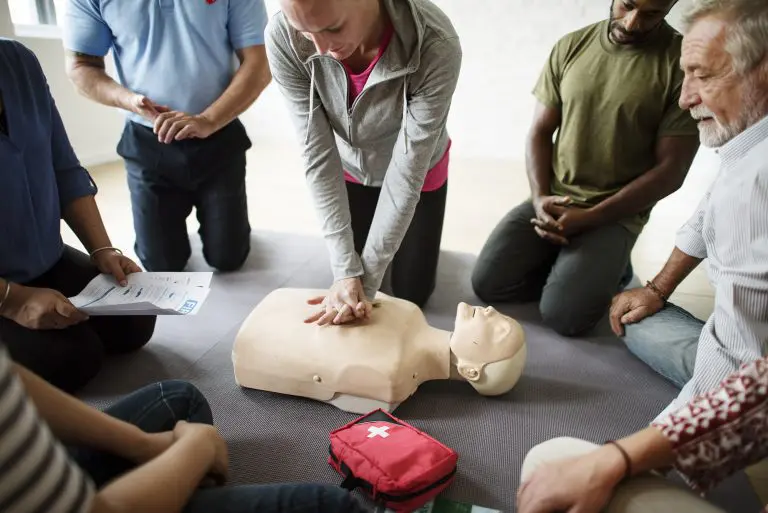
One in four of the emergencies to which EAAA is tasked are cardiac arrests. CPR stands for cardiopulmonary resuscitation. It is when somebody performs chest compressions on someone who is in cardiac arrest to help keep them alive.
We can get to the scene quickly, but not as quickly as people already there.
That’s why we need you.
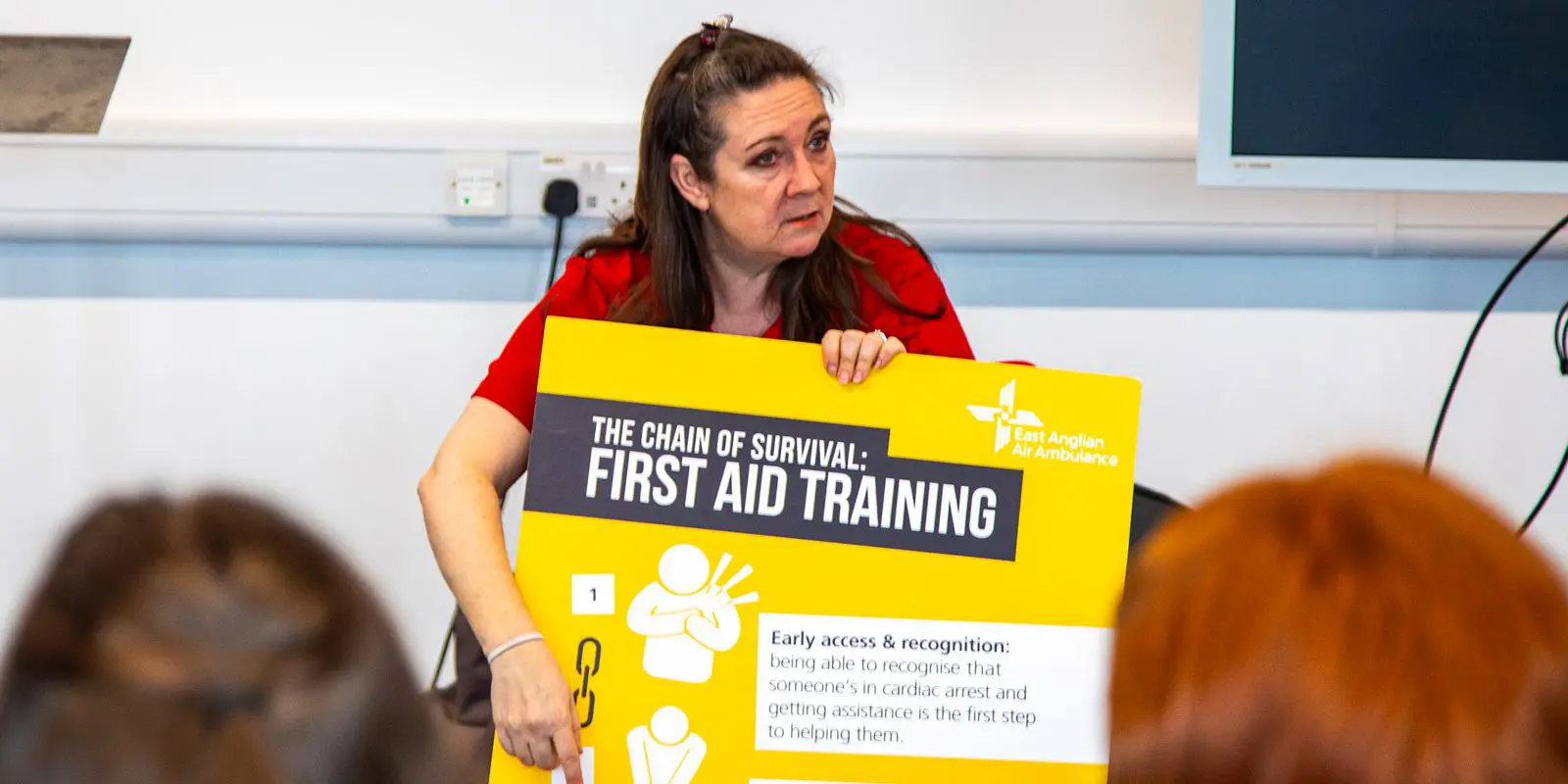
When you take part in our one-hour CPR and defibrillator community training, you’ll learn the skills to save someone’s life.
In the UK, only around 8% of people survive an out‑of‑hospital cardiac arrest if resuscitation alone is attempted. But when a defibrillator is used together with effective cardiopulmonary resuscitation (CPR) within the first 3–5 minutes, the chance of survival can increase to 40–70%. It’s quite a difference – and it’s a difference that you can make.
Build your skills and confidence so that if someone suffers a cardiac arrest, you can act fast, begin the chain of survival right away, and become the person who potentially saves their life.
This was the first time I had been called upon to deliver bystander CPR – and to contribute to the chain of survival was astounding.
Sally Tugulu, CPR Volunteer
The chain of survival is a series of time-sensitive actions and interventions taken in the event of a cardiac arrest to give somebody the best chance of survival and recovery from this life-threatening medical emergency.
Bystanders have a vital part to play by starting the chain of survival as soon as possible.

Early access and recognition
Being able to recognise someone is in cardiac arrest and calling 999 for an ambulance is the first step to helping them.

Early CPR
Performing continuous chest compressions to circulate blood to the brain. However, If you are trained to do so perform 30 compressions to 2 breaths to ensure oxygen reaches the brain until a defibrillator arrives.

Early defibrillation
Being confident in using a defibrillator to restart someone’s heart is vital. For every minute that the patient is left without defibrillation, their chances of survival decrease by 10%.

Early advanced care
The delivery of advanced emergency care by the doctors or critical care paramedics who arrive on scene.
One in four of the emergencies to which EAAA is tasked are cardiac arrests. CPR stands for cardiopulmonary resuscitation. It is when somebody performs chest compressions on someone who is in cardiac arrest to help keep them alive.
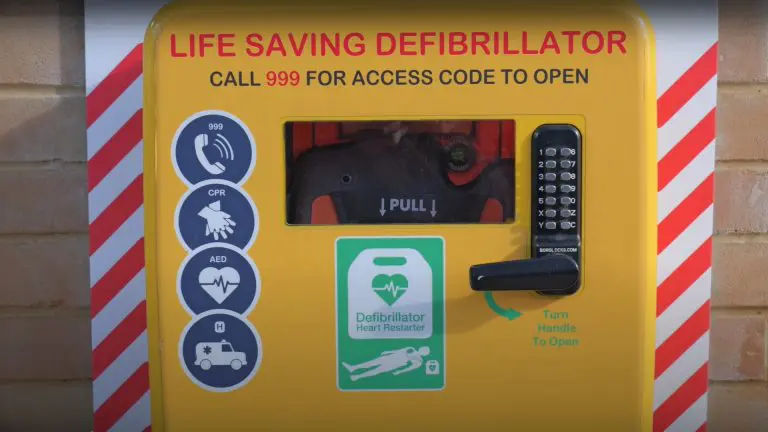
An AED, short for Automated External Defibrillator, is a life-saving piece of equipment that can be used on someone suffering from a cardiac arrest.
It is important to understand the difference between a heart attack and a cardiac arrest so you can take the correct necessary actions to increase somebody’s chances of a positive outcome.